By Jan Axtell
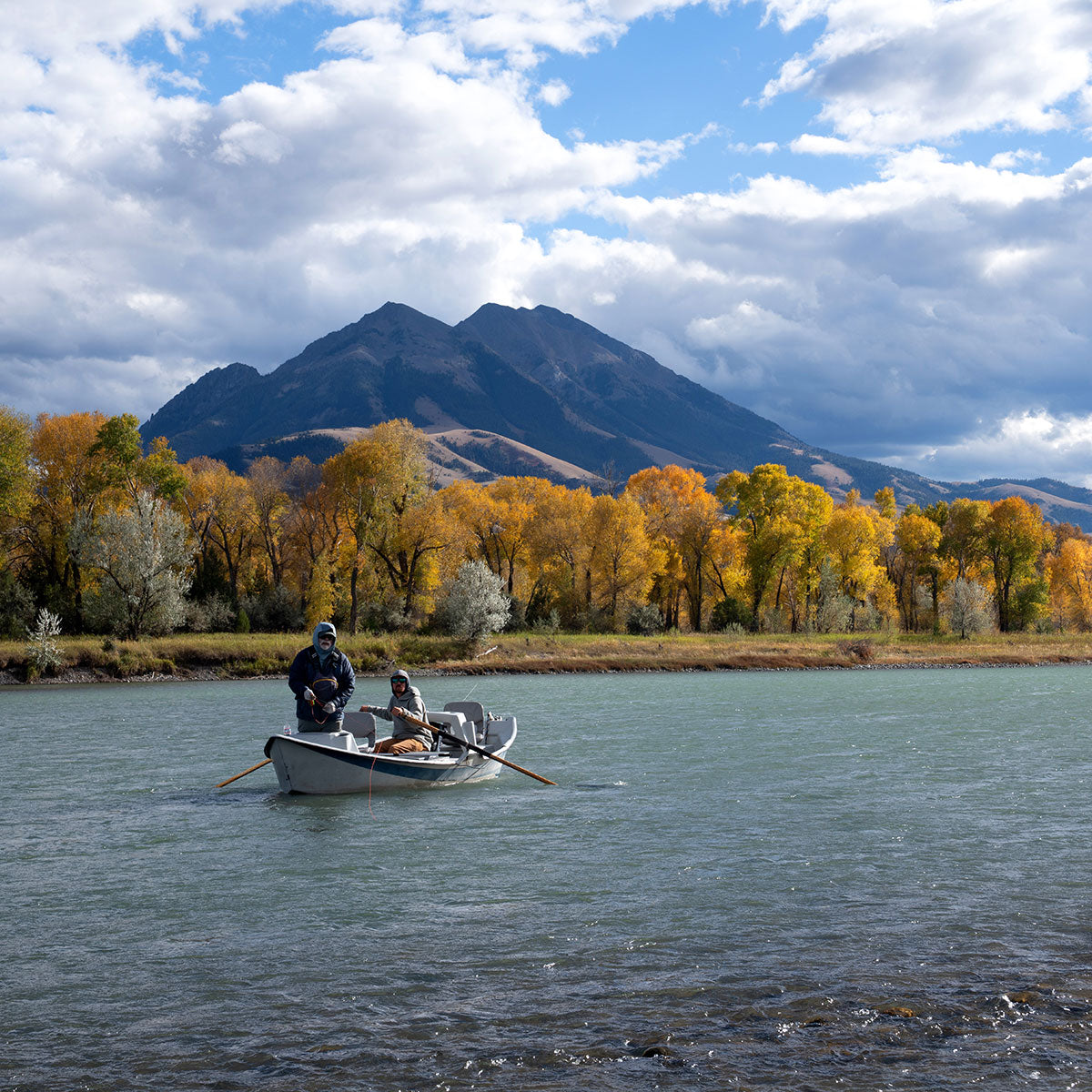
Yellowstone River
Streamflow: 4,300 Cubic Feet per Second on July 15 >>
Despite unusually warm daytime temperatures, Yellowstone River water temperatures have yet to breach the 70° mark.
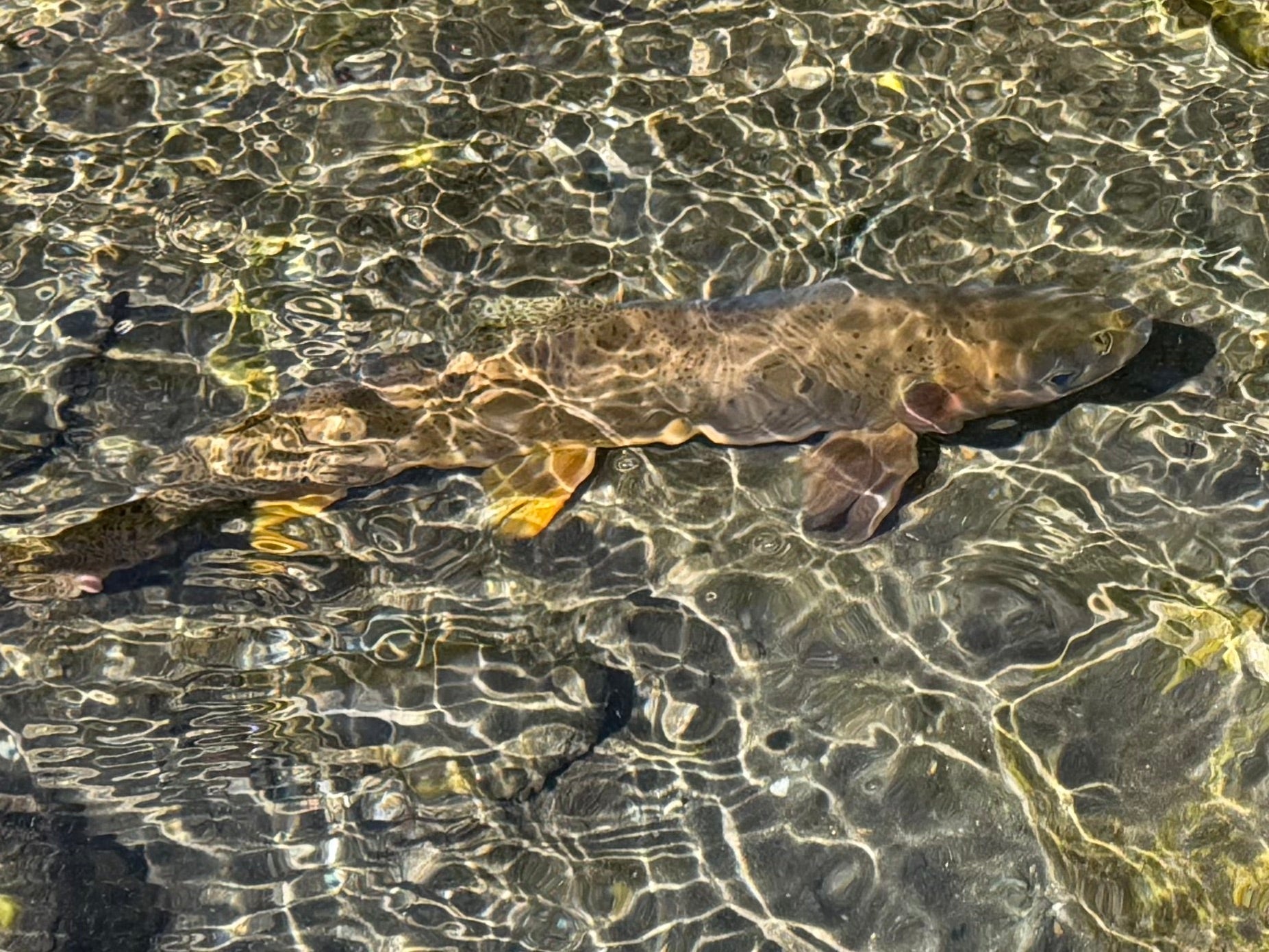
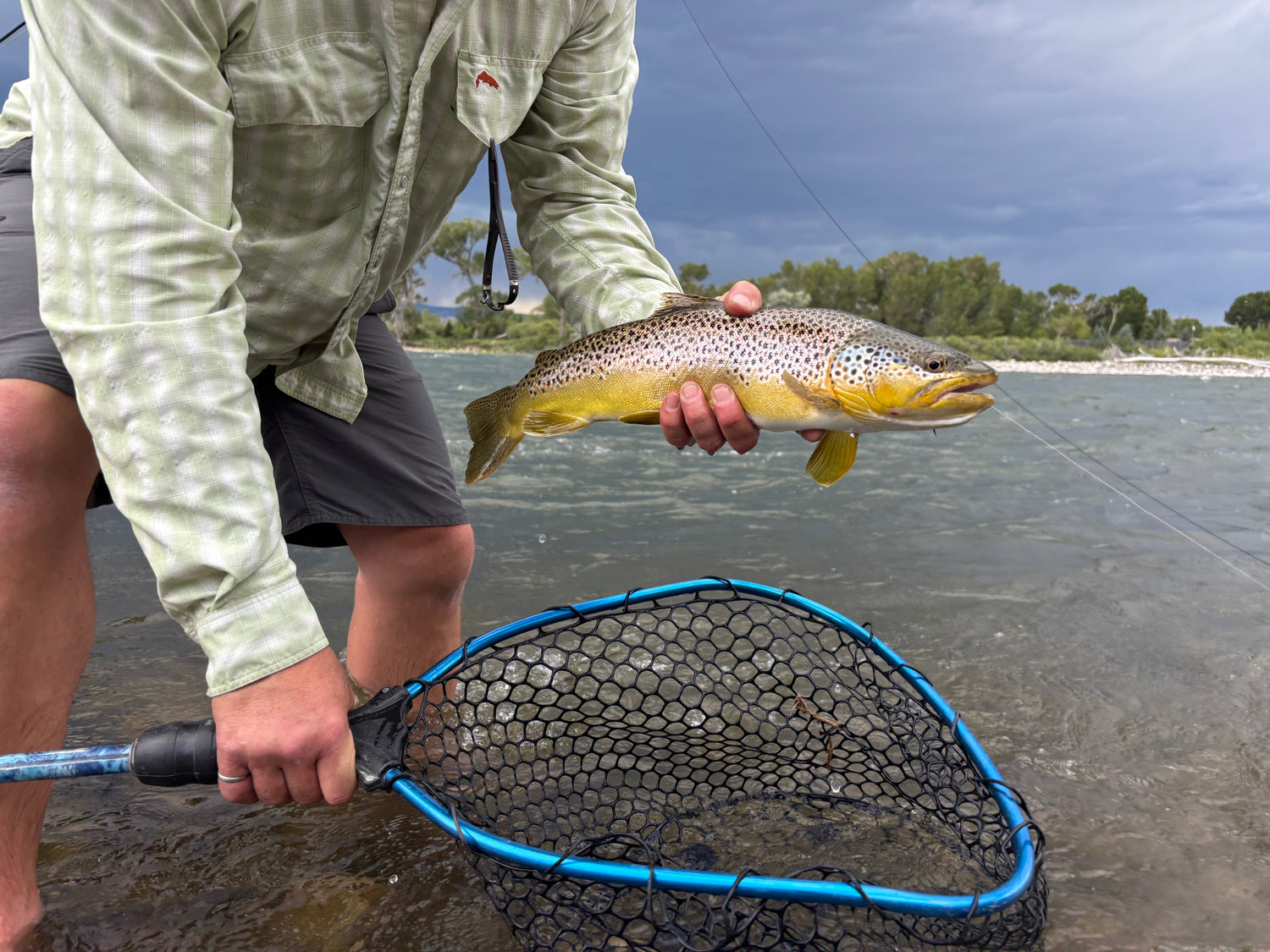
Look for fish in heavily aerated water (heavy riffles, pocket water, and creek confluences) and other thermal refuges. Early mornings provide your best opportunity to safely and responsibly catch fish during the cooler temperatures of the day. Catching fish in water temps over 70° can prove fatal. Be a good steward and avoid fishing when temperatures exceed 70° F.
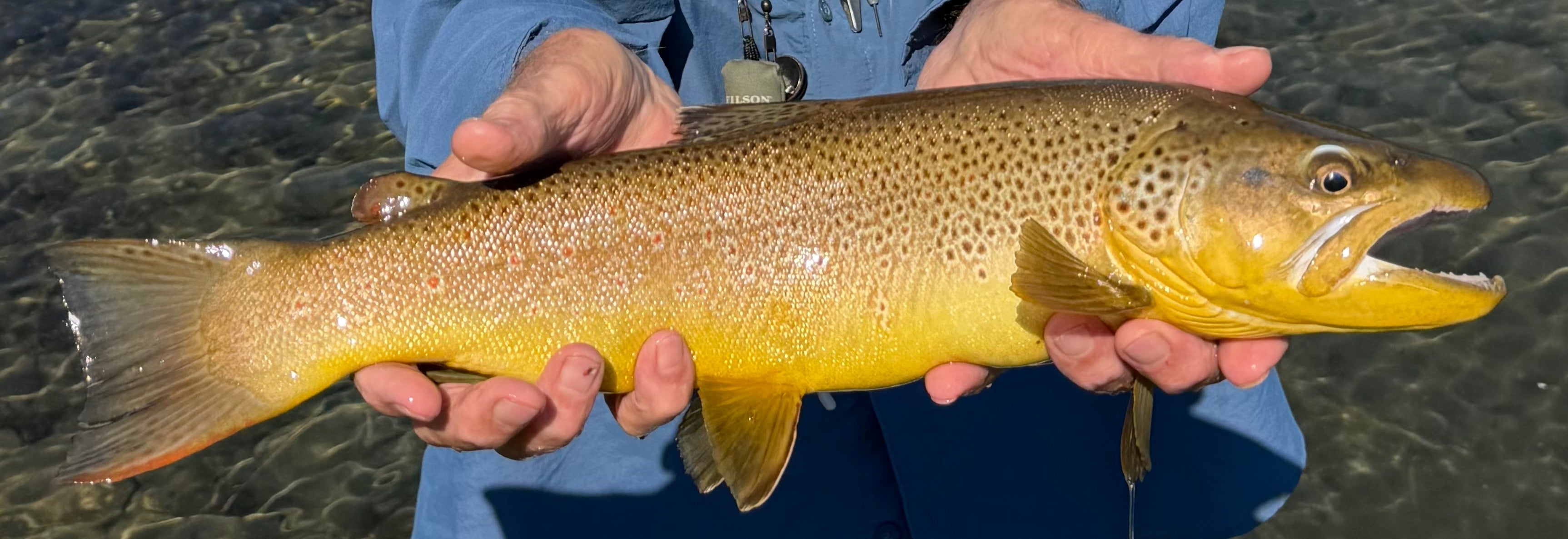
We are catching fish on Chubby Chernobyl and hopper dropper rigs as well as smaller dries (caddis.) That last hour of the day, the profusion of caddis has many fish on the surface. Additionally, the early morning streamer bite has been producing some very nice fish.
Yellowstone National Park
The National Park Service has closed the Madison, the Firehole, and the Gibbon rivers to fishing due to high water temperatures.
The northeast corner of the park, most notably the Lamar and Yellowstone river valleys, has been fishing very well, especially the Lamar River. We are catching fish on foam dry flies like the Chubby Chernobyl, grasshoppers, and green drakes. The green drake hatch has been very good, especially on cloudy days.
Both Soda Butte and Slough creeks have good amounts of water in them and should be ripening nicely this week. Look for continued hatches of green drakes, caddis flies, Yellow Sally stoneflies and PMDs.
Paradise Valley Spring Creeks
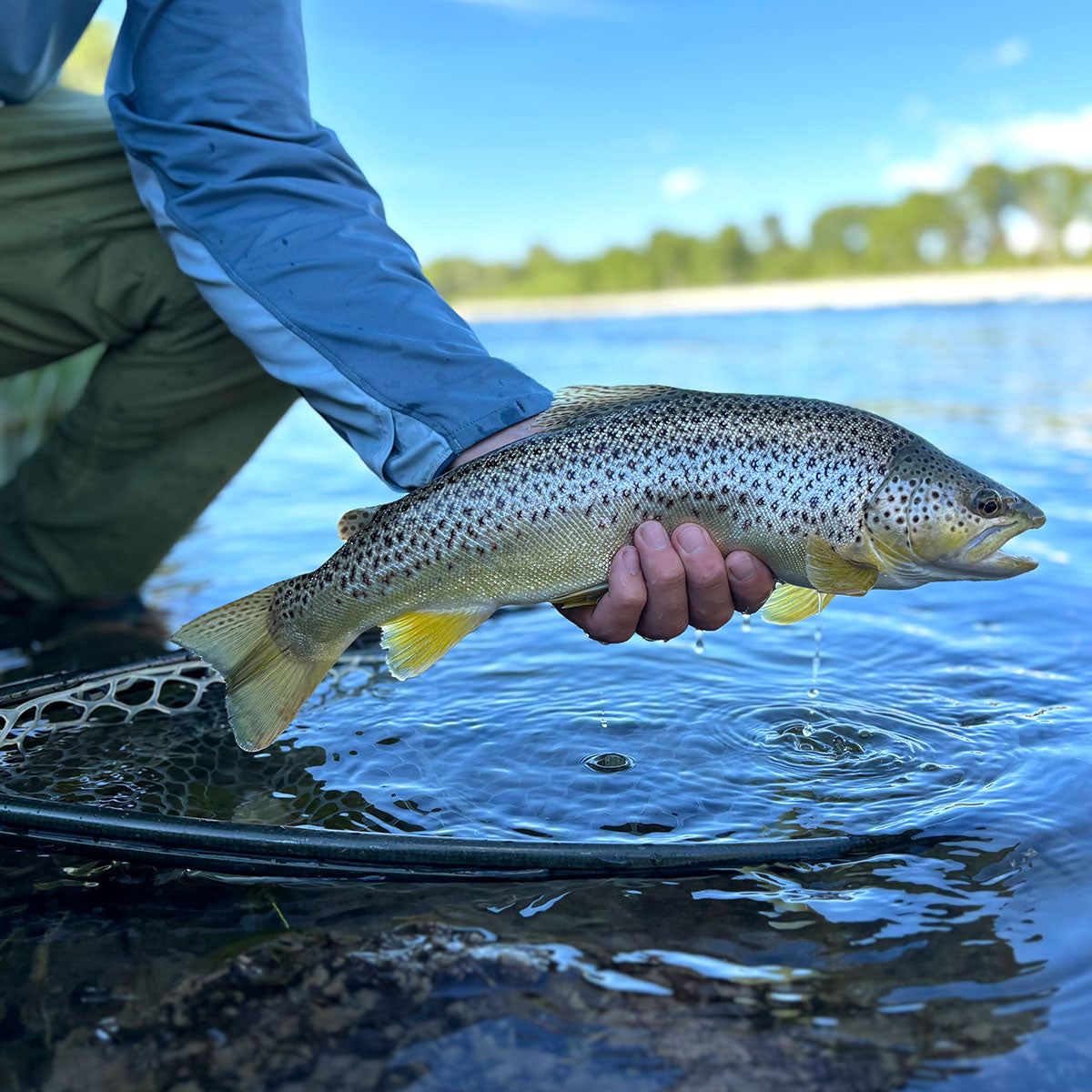
The Paradise Valley spring creeks continue to fish exceptionally well. While we may have passed the apex of the PMD hatch, we continue to see great hatch activity throughout the mid-to-late morning into the afternoon.
We are excited about the emergence of the western sulfur mayfly, which hatches in the late afternoon into the evening. This hatch brings fish to the surface after our long hot days and is an often-overlooked bonus hatch for a day on the creeks.
Additionally, we are starting to catch fish in the afternoons on black ants and beetles. After the PMDs wane for the day, we often find fish against the banks eating terrestrials.
Finally, do not overlook small baetis spinners in the early morning, as well as midges. These dominative food sources are ever present and a great way to fool a big trout early in the morning.

~
About Jan Axtell
Jan is a father, husband, and guide in Livingston, Montana. A self-described “Jackass Of All Trades,” he has guided trout anglers for 25 years in Wisconsin, Vermont and Montana.
He guides on the Yellowstone River, the Paradise Valley Spring Creeks, the Bighorn River, and in Yellowstone National Park.
When not fishing Jan enjoys Nordic skiing, reading, wingshooting over his pointing dog…and more fishing.
Additionally, he enjoys tying flies for his clients, area fly shops, and his own fly box.
He lives in Paradise Valley with his very loving and tolerant wife Vicki, their very awesome daughter Zoe, and their two dogs Greta and Parker. He and his family operate Fin & Feather Enterprises together “in 3-part harmony.”